
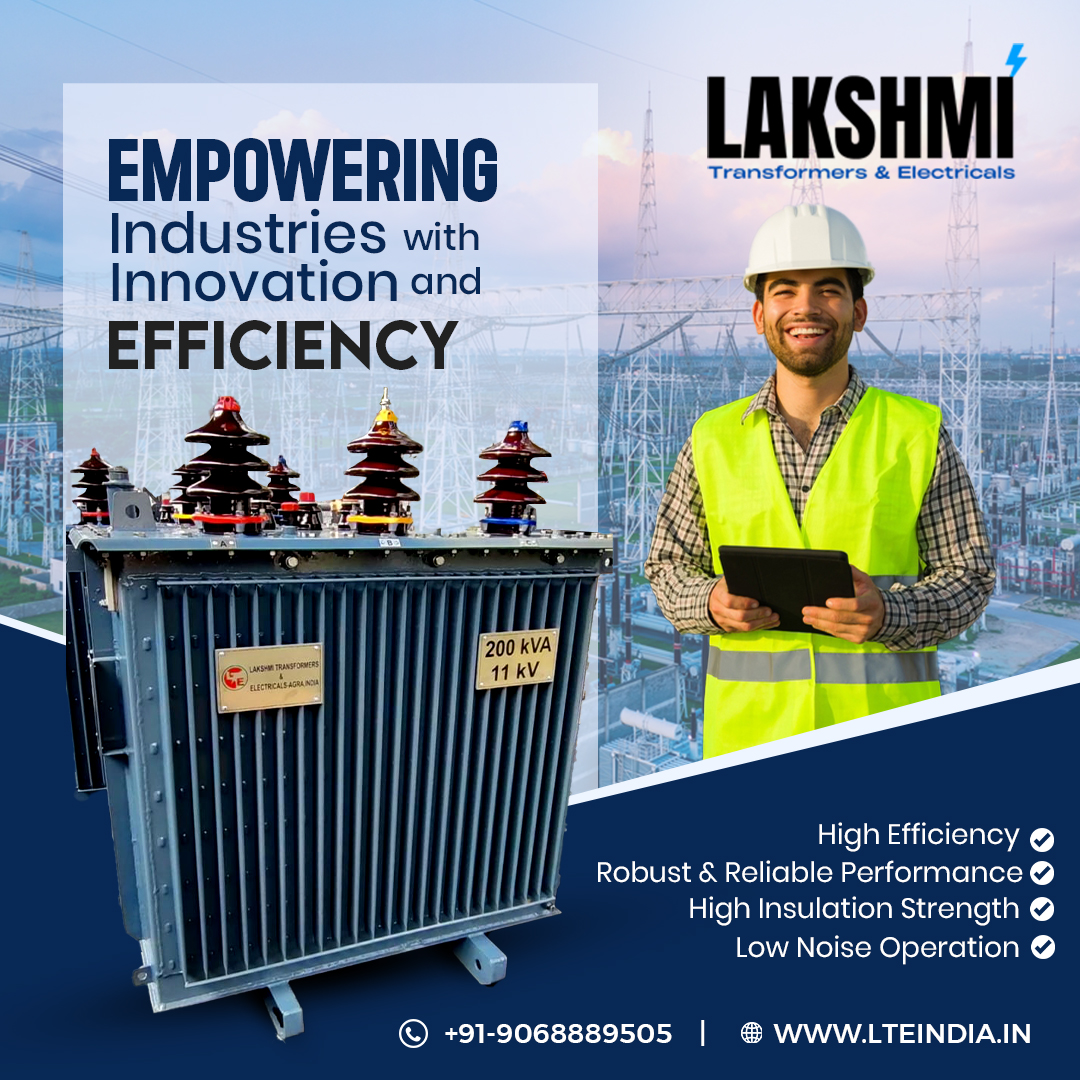
7 Features of Solar Transformers You Should Know
The market for solar transformers is increasing day by day due to growing environmental concerns, reduced dependency on electricity, elimination of issues caused by voltage fluctuation, and more. The demand is also increasing because there is no pressure to pay hefty electricity bills with solar systems. Plus, it is an eco-friendly approach, ensuring tax incentives.
At Lakshmi, we manufacture best-in-class and reliable solar transformers. The team engineers the equipment according to the demand, offering features that enhance grid compatibility, efficiency, and durability. Quality features make the Lakshmi transformers indispensable for reliable and efficient solar power integration.
Read on to uncover 7 key technical features that set solar transformers apart.
Voltage Step-Up and Step-Down Capability
Like traditional transformers, solar device has the capability to step up or step down voltage. They can accept the voltage from solar inverters to match grid requirements, typically stepping up from low-voltage DC to medium-voltage AC for transmission.
Low Harmonic Distortion
High harmonic handling quality is another feature. In general, solar inverters generate harmonics on the power side. But a solar transformer can handle it because it is engineered with improved core material and higher K-factor ratings. So, they are designed to handle these harmonics without overheating.
Electrostatic Shielding Between Windings
As a leading manufacturer, Lakshmi uses a copper shield in solar transformers to reduce voltage surges and suppress electromagnetic interference from inverter switching pulses. This feature enables the equipment to protect the grid and connected equipment.
High Efficiency Design
The best point with a solar transformer is that they are made to minimize energy loss when converting voltage from DC to AC. It can achieve efficiencies of more than 98%, which is crucial for maximizing solar energy yield.
Grid Compliance
The modern transformers that function with solar come with protection relays, surge arresters, and monitoring systems. Such features in the equipment enable it to guarantee safe operations and compliance with grid codes and standards.
Dual Voltage Operation
Solar transformers are designed to step up the inverter output (generally 400–800V) to the grid voltage (11kV/33kV or higher). Plus, it has multi-winding designs that ensure 100% compatibility with a wide range of inverter types.
Low Loss Design
The use of CRGO or Amorphous metal core allows the transformer to reduce no-load and load losses. This quality ensures better energy conversion efficiency. It is very important for solar power economics.
Bottom Line
These are the 7 unique features of solar transformers that probably keep them apart from their traditional counterparts. If you are looking for top-quality and high-performance solar transformers, then contact us. Lakshmi is one of the leading manufacturers and suppliers of different types of transformers for commercial and industrial use.