
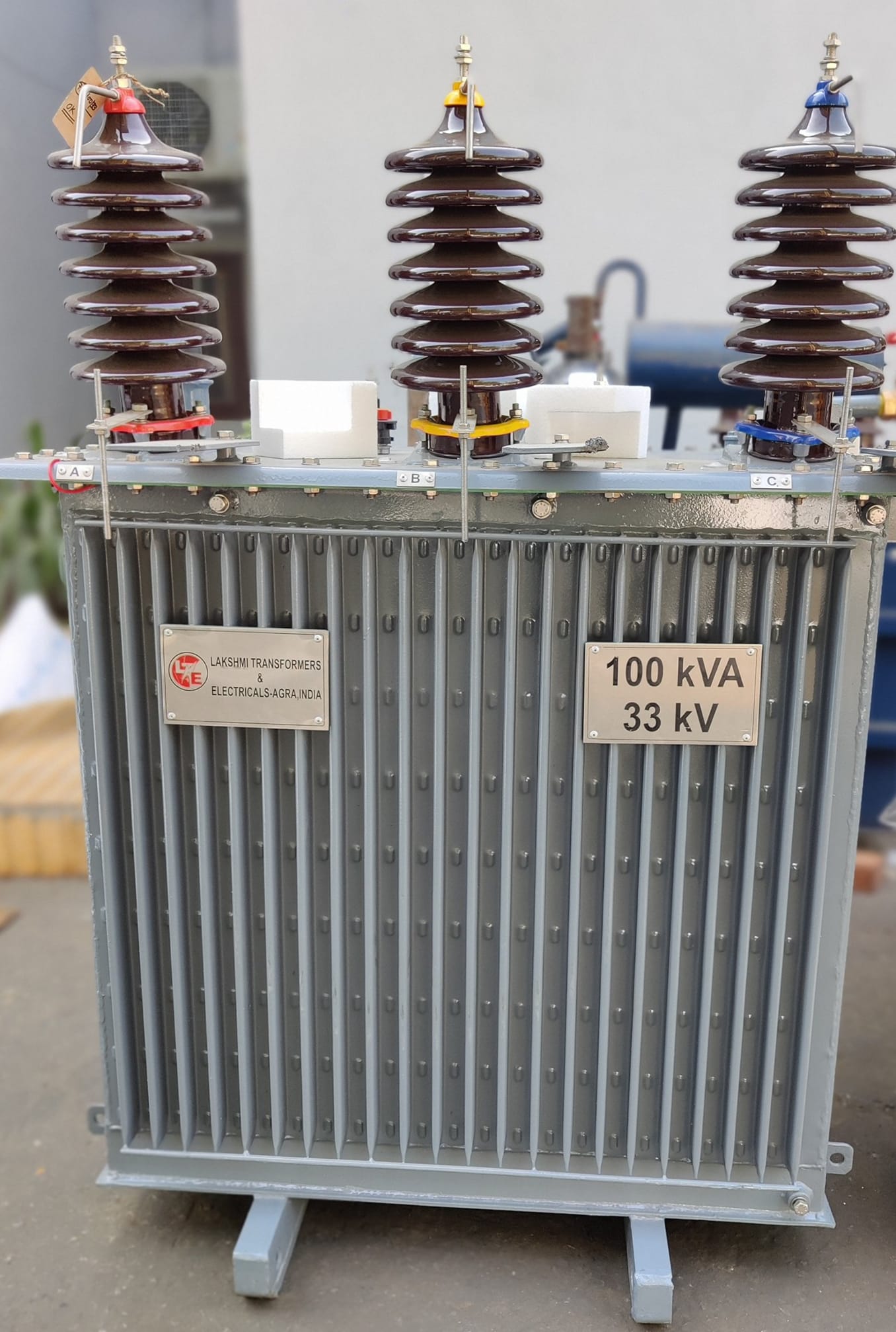
5 Common Mistakes to Avoid When Installing a Dry-Type Distribution Transformer
Dry-type distribution transformers play a significant role in today’s industry. They convert voltage in electrical systems safely. In this process, they do not need flammable liquid insulation. The transformers step down or step up voltage to supply the usable power so consumers can use it without any risk. Plus, the transformers are ideal for schools, hospitals, high-rise buildings and other high-risk areas.
However, a Dry Type Distribution Transformer can only perform well when installed correctly. There are some common mistakes that people generally make and you should be aware of them. This will help you get the transformers installed correctly.
#1. Failing to Conduct Pre-Installation Inspection
Even experts sometimes fail to conduct the pre-installation inspection. This may cause short circuits or insulation failures once power is applied.
Ideally, a visual and electrical inspection is required before energizing the unit. It saves major headaches later. It is important to examine the loose bolts, transportation damage, correct labeling and cracked insulation.
#2. Incorrect Placement
The incorrect placement of the dry-type distribution transformer is also a common mistake. Generally, the unit is installed in corners or near walls to save space. But it is not the right step. Wrong placement can increase the sound transmission.
It is therefore important to use flexible conduits to minimize vibration and sound. If possible, install away from corners.
#3. Ignoring Manufacturer’s Installation Guidelines
One of the most common mistakes is ignoring the installation guidelines provided by the manufacturer. This leads to higher operating temperatures, poor cooling, and higher risks of malfunction.
Remember that every popular manufacturer provides a detailed installation manual. Read the manual where you may learn about the airflow direction, clearance from walls, mounting requirements, temperature limits, and so on.
#4. Wrong Cable Connections
Improper cable connections are generally noticed. This error can lead to a voltage drop or overheating. To avoid this, it is recommended to use torque-controlled tools and make sure clean and properly aligned.
Better, use suitable cable lugs and do not bend cables too close to the terminals to ensure stable contact and stop arcing under load.
#5. Incorrect Sizing and Wrong Overcurrent Protection
Sometimes people decide to install a too-small dry-type distribution transformer for peak load. This mistake causes overheating and less efficiency, as well as a shorter lifespan of the unit.
In addition, incorrect setting of the overcurrent and tap protection is another mistake. The installer may fail to comply with the specifications recommended by the manufacturer, which leads to serious damage and safety hazards.
Final Take
Connecting wires and cables is not only the way to successful installation of a Dry Type Distribution Transformer. Rather, it requires focusing on proper safety, efficiency, and performance for today and tomorrow. If any of the errors or faults we have highlighted above occur, the unit will fail to perform, causing a major setback and potentially leading to a hazardous incident.
If you need trusted and proven solutions, better look for a reliable manufacturer and supplier of the transformer, such as Lakshmi. We are a complete transformer solution. We manufacture and supply world-class transformers for both industrial and commercial projects.